 LCD Panel
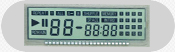
A liquid crystal display (LCD) is a thin, flat panel used for electronically displaying information such as text, images, and moving pictures. Its uses include monitors for computers, televisions, instrument panels, and other devices ranging from aircraft cockpit displays, to every-day consumer devices such as video players, gaming devices, clocks, watches, calculators, and telephones.
LCD Module

COG - chip-on-glass; a variation of COB, where a chip is mounted directly to a piece of glass - typically an LCD. COG LCM could save more space than COB LCM, price is more competitive, is more popular than COB LCM in these years.
LED Backlight

A light-emitting diode (LED) is a semiconductor light source. LEDs are used as indicator lamps in many devices, and are increasingly used for lighting. Introduced as a practical electronic component in 1962,early LEDs emitted low-intensity red light, but modern versions are available across the visible, and infrated wavelengths, with very high brightness.
Solar Panel
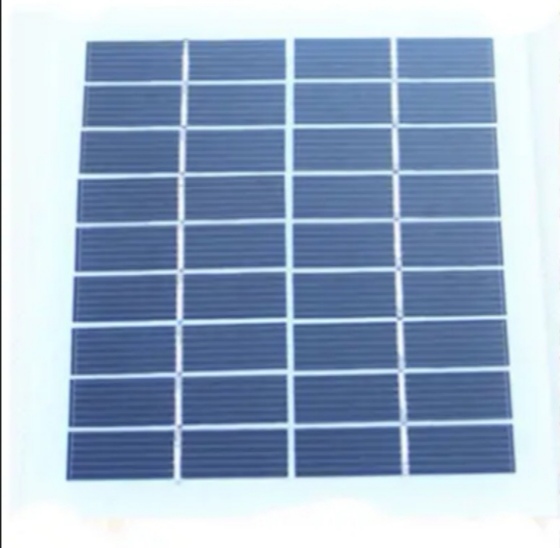
Poor light type amorphous silicon solar panel(0.5、0.7、1.1MM)
Strong light type amorphous silicon solar panel(1.1MM)
Strong light type amorphous silicon solar panel(3.2MM)
The thin film solar panel we produced can be widely used in calculator, auto darkening welding helmet, body scale, remote control, watch, thermometer, wireless mouse, keyboard, toy, parking meter, charger and so on,the suitable temperature for -40℃---70℃
TFT Tablet
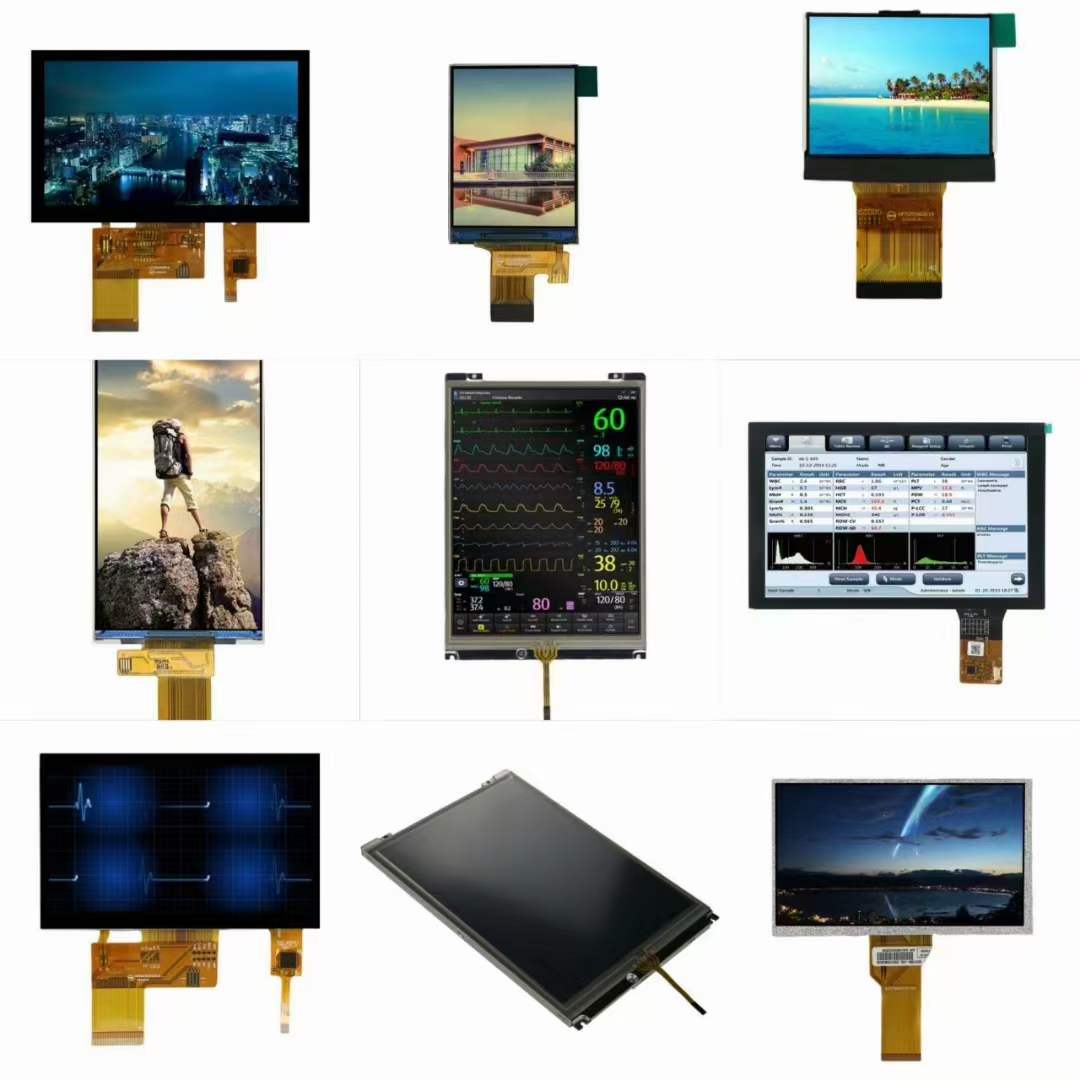
TFT is for Thin Film Transistor. It’s the latest generation of LCD technology and has been applied in all the displaying scenario including electronic devices, motor cars, industrial machines, etc. When you see the word ‘transistor’, you may realize there’s integrated circuits in TFT LCD. That’s correct and the secret that TFT LCD has the advantage of high resolution and full color display. Nowdays TFT LCD has the largest application market.
Touch Screen

A touch screen is a display that can detect the presence and location of a touch within the display area. The term generally refers to touch or contact to the display of the device by a finger or hand. Touchscreens can also sense other passive objects, such as a stylus. However, if the object sensed is active, as with a light pen, the term touchscreen is generally not applicable. The ability to interact physically with what is shown on a display (a form of "direct manipulation") typically indicates the presence of a touchscreen.
CopyRight©2012 Xiamen Credit Display Co., Ltd.. All Rights Reserved.
闽ICP备12013091号-2 
Professional LCD, LCM, Backlight, OLED, Touch Panel & Solar Panel supplier.
Professional LCD, LCM, Backlight, OLED, Touch Panel & Solar Panel supplier.